Can Snakes Bite Through Rubber Boots?
Thankfully, the answer is no. Snakes can't bite through rubber boots. This fact is probably obvious if you have ever seen a snake or had one near your feet with your boots on but, not so for some people.

One of the most common misconceptions about snakes and rubber boots is that a snake can chew faster than its head can grow - in other words: they'll get through it before they grow too big.
It's even been suggested that when wearing suede or leather boots, one should use pliers to rip their laces out as to avoid being bitten by a venomous snake. Obviously, this is not a viable option.

Snakes are creatures of habit. As such, they will only bite people who routinely wear rubber boots. For example, in countries where snakes are regularly encountered by rubber boot-wearing miners or farmers wearing rubber boots.
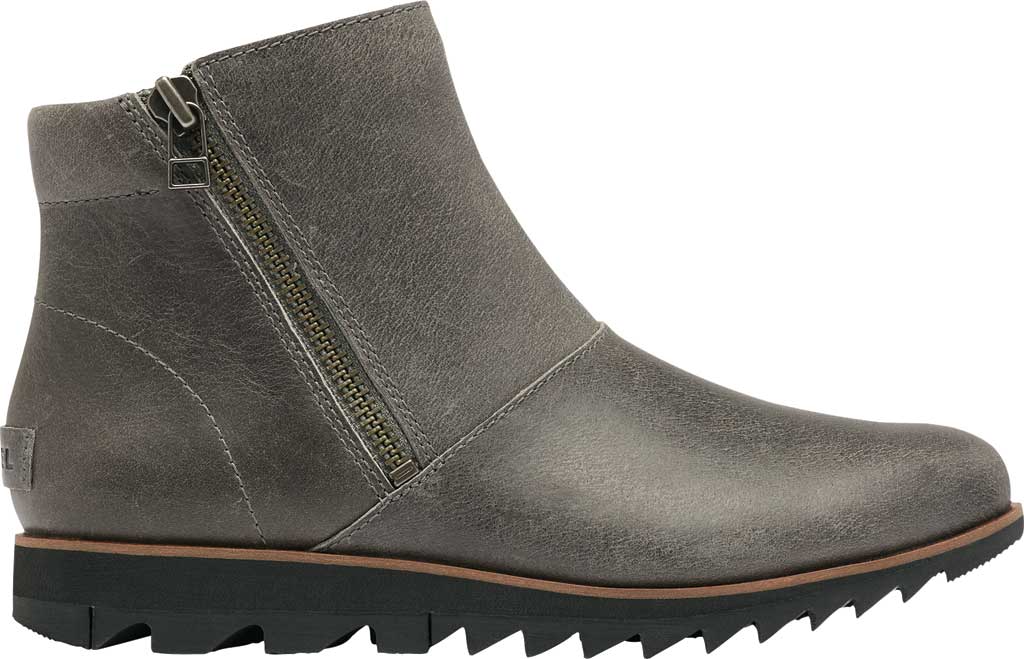
A snake that has its head chopped off and is put out of its misery by a workman wearing rubber boots may bite someone else who is wearing the same patch of mud-covered boots as the first victim.

What Are Rubber Boots Made Of?
The boot liner consists of two layers of synthetic rubber and a layer of natural rubber. The natural rubber is used mainly for waterproofing, while the synthetic rubber forms the outer shell.

The outer shell is stronger than the inner layer and is usually treated with a petroleum-based material that penetrates better into crevices such as between toe and boot area when walking on wet ground.
The seams are sewn with synthetic threads. The seams are made up of several layers to give them strength and to increase resistance against moisture penetration. The midsole is made of expanded polyurethane, which is lighter than the foam used in other types of sneakers.
This combination of synthetics and natural material offers great flexibility as well as a high level of protection against cold, wet weather conditions.
The tread is integral to the boot's overall design, providing com
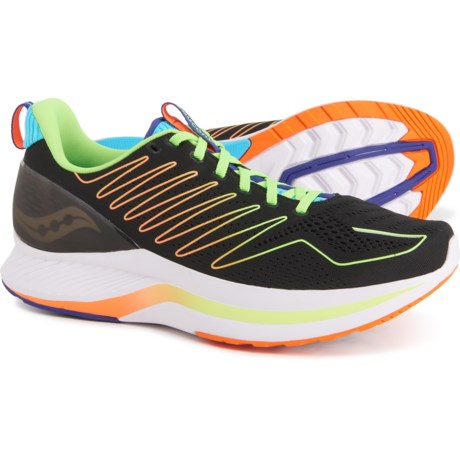
fort and stability while walking on slippery grounds. The tread pattern is designed to hold the wearer's foot firmly in place, even when traversing rough terrain. The rubber boots are most often used by players during hockey games or other sports activities that involve ice or snow. When natural rubber or synthetic rubber is extracted from plants, it is known as latex. Latex contains about 20 percent of a milky fluid called latex sap.
Can Snakes Bite Through Rubber Boots?
Snakes are scary enough as it is, but the thought of them slipping into your boots and biting you through the rubber brings the terror to a whole new level. But before you start ditching your old rubber boots for leather ones, there's something you should know: Snakes can't actually bite through rubber and that's because it doesn't have any nerve endings.
The question remains though: can snakes bite through rubber? Well, in this article we'll be discussing whether or not snakes can bite through rubber boots and what type of materials they're made from.

The answer isn't likely to come as a surprise to anyone but it does raise more questions: Why would snakes bite through rubber boots? Would rubber boots make an effective deterrent for snakes? And is there any truth to the idea that snakes can bite through rubber on purpose or accidentally?
To answer these questions, we'll need to first look at some of the research that's been done into snake bites and other snake-human interactions. We'll review some of the scientific literature including anecdotal evidence and personal opinions along with some hard data. Lastly, we'll compare this science with common myth and folklore so you can make an informed decision on whether or not you should forsake your old rubber boots just yet.

Do Snake-Proof Boots Really Work?
Snake-proofing is a process that involves taking steps to eliminate a snake's chances of surviving an encounter with the human. The term can also be used to describe any type of anti-venomous effect, so it doesn't always mean boots. However, the boots are often symbolic for this particular kind of snake-proofing because they are relatively low cost and easy to obtain."
In many cases, snake-proofing can do more harm than good. Snake bites are rarely fatal and in some cases they can actually help you out by causing mild shock or pain.
The most common snake-proofing warnings are for people in a remote area who do not have access to medical care. Of course, if you believe your chances of surviving a snake bite are so high that you are willing to risk death, then by all means go ahead and wear boots! However, it is important to remember that snake bites frequently happen at home or in one's surroundings. This paper will look at some of the pros and cons of such snake-proofing.
Snake-proofing can be divided into two types: physical and chemical. The most common type is substance based (sometimes called physical). Usually this entails stuffing snakes with something dangerous. The most common substance is methylated spirits (meths), the most commonly used substance in snake-proofing. Another popular substance is asafetida (a gum found in some Indian and African cooking dishes). Some people use salt, pepper, or soap.
From a scientific point of view, it is very difficult to prove whether snake-proofing is efficacious or not. There have been many experiments that have tried to prove this kind of anti-venomous effect, but none have succeeded.
In an experiment with metis, there was a highly significant reduction in the number of snakes (P=0.00001) But it's not quite clear whether this effect is due to the antivenom or due to his extreme bravery!

Another form of anti-venomous snake-proofing is based on removing the chance of snake bite at all. This type of snake-proofing has been seen before in animal kingdom. For instance, when praying mantids are threatened, they wave their wings rapidly in the hope that the threat disappears! When westerners see this behavior they call it "waving". However, the Hindu name for it is "mimicry".
Snake Boots Vs. Rubber Boots: What’s The Difference?
If you’ve ever seen a slithering snake in the wild while you were out hunting, fishing, or camping and thought to yourself that it might be a good idea to have some kind of protection against these creatures without having to resort to carrying around one of those giant electric zappers on your belt all the time, then we have some good news for you. That’s because there are actually boots out there that are created specifically to stop or at least limit the amount of venomous bites people get from snakes.
And if you think these things look like they might be pretty expensive, well don’t worry — because they’re not particularly expensive at all. Some of these boots may even look like something you’d ordinarily call “regular old rubber boots”. However, when you get your hands on these boot things, the snake will be the one that gets startled. Just jump in some water with them (it doesn’t even have to be deep) and don’t worry about any snake being able to bite you. The snake simply won’t be able to get close enough to bite you with his fangs thanks to the strong layer of protection behind your ankles and feet that these snake-proof boots have.
Now, we’re not going to talk about how they work or why they work, because that would be totally boring. In fact, it would probably make people say “Ughh, I’m bored. This is all too technical and too boring.” However, we do want to talk about what you need to know about these boots if you are indeed thinking of buying them.

The first thing we want to talk about is that snake-proof boots are not exactly cheap. Some of them can cost $150 or more. They’re not really expensive considering the amount of protection they provide, but we understand that if you have too high an expense barrier to easily afford these boots, it would probably be best to just ignore this article and move on with your life.
Now, there are different kinds of these boots:
– The snake boots that you wear over your shoes and they cover your ankles. So what this does is it protects your lower legs and your ankles at the same time. These are typically made of a material that has been scientifically tested to withstand the bites of a variety of venomous animals but is not made from leather. With all those fake snakes out there, just imagine having to put on something with real snakes on it. It would be seriously awkward.
– The other kind of snake boot is one that you wear on your feet, but it’s not a boot at all. It’s more like a foot-like thing that is made of a material that uses a special, snake-resistant fiber that is both lightweight and flexible. The way you protect yourself with these snake boots is by simply standing still and then walking. Because snakes don’t move very quickly, you can just stand there and let them come to you. Then the snake will bite at your ankle or lower leg, but the snake will get the shock of his life. These are not cheap either, but they’re worth it if you really want to keep those little critters away from your feet.

What Kind Of Boots Protect Against Snake Bites?
Snakes are just one of the many dangerous animals that can be found around the world. With that in mind, it's important that humans know how to protect themselves and their families from these wild creatures. One way is by wearing proper footwear. The best shoes for snakes are steel-toe boots because they provide protection by shielding your feet from the snakes' venomous fangs.
It's very important that people who are walking in areas where there are snakes make sure they're wearing the right shoes. Venomous snakes can be found everywhere, and while you might not spot them immediately, you could step on one by accident. Venomous snake bites are very dangerous if untreatable, and that's why it's vital to know what kind of protection you need.
Snake bites can obviously be harmful. Most people die or become severely injured after being struck by a snake. The only way to prevent this terrible fate is to wear proper shoes whenever you're in an area where snakes could be hiding. The best footwear to wear is a pair of steel-toe boots. These boots stop snakes from biting you by protecting your feet through the use of plastic caps.
The plastic cap on the bottom of steel-toe boots has a metal surface that acts like a shield. This shield is surrounded by hard rubber toe and heel guards, which are great for preventing any injuries from snake bites. Steel-toe boots are the only footwear that provide protection against snake bites in some areas.
While some people might think that wearing shoes with spikes on them will protect them against snake bites, this isn't the case at all. Spikes can actually be fatal if they puncture the skin and cause more damage to your body than you've already sustained.
The venom from a snake bite is very potent and can cause swelling, severe pain, paralysis, and even death. One way to prevent these terrible consequences is by wearing the right shoes. The boots that work best for protecting against snake bites are steel-toe boots.

Do Cowboy Boots Protect From Snake Bites?
Cowboy boots are often thought to be effective at keeping snakes away, but how actually does this work? Well, not only are these boots long enough for a snake to get out of striking range, but the scaly exterior can easily repel even the most determined snake.
Not to mention that cowboy boots have a thick sole with a thicker heel that offers more protection than any other kind of shoe. Beyond just maintaining your lower leg's health and avoiding infection, cowboy boots protect you against venomous snakes like rattlesnakes and cottonmouths.
Do Boots stop snake bites?
If you think so, you are wrong. It's very unlikely that a snake would bite your footwear, but they can bite through them. This is more common with people wearing sandals or flip-flops because they provide easier access for snakes to move their head under and up into the shoe. A boot should provide some protection against being bitten on the foot as long as there is not something on the surface that provides an easy way of climbing in (like laces).
You should think about even more protection for the lower legs. Pants, jeans and other full length clothing can act as a barrier and protect you from very large and dangerous snake species. Wearing pants can make walking through tall grass or shrubs a little more difficult to get through, but it is a risk worth taking.
If you are bitten by a snake, what should you do? The first thing to do is identify what kind of snake bit you so that specific treatment can take place when needed. If the person was not able to identify the species of the snake or if they did not see it beforehand, then this is an important factor in getting proper treatments as soon as possible.
Do snakes bite above the knee?
Snakes don't really bite above the knee, but it's not because they can't. There are just a lot of things that would generally prevent a snake from biting you there. So, for a snake to bite your leg, your first instinct might be to slide its head up under your knee. That's not what snakes usually do, though.
Snakes aren't looking for your feet or lower extremities typically; they're looking for the heat you create from muscle movement and the vibrations of footsteps. So if you want to keep a snake from biting your leg, don't make any muscle movements that it can detect or walk in an area with sand or loose dirt (anything that causes vibration). Finally, while they may very well have evolved an ability to bite above the knee like a lot of animals do — including humans — it's not likely because most snakes are too small. And, if you're looking for a snake that will bite above the knee, a small one is probably more likely to do it than a large one.
What Would Keep a Snake From Biting You There?
1. Your weight or lack of it could prevent a snake from biting you there.
2. The area your legs are in can prevent the snake from biting you there, especially if your legs aren't moving (or moving very slowly). This is why snakes may not bite your lower leg—it's supposed to be stationary for most of the time when you're sleeping or lying down in bed at night.
3. The type of feet a snake has could prevent it from biting you there.
4. Wearing noise-cancelling headphones or ear plugs could prevent a snake from detecting and reacting to your movements, which would allow the snake to stay away from your legs more easily.
5. You may be voluntarily putting yourself in an environment that smells like prey, which could cause the snake to react and move toward you.
As a general rule, if you are bitten by a venomous snake, such as a Coral Snake or a Diamondback Rattlesnake, then you need to seek immediate medical attention. If only the tip of the fang or portion of the fang has entered the skin and did not inject venom into it (and potentially caused further injury), then there is no reason to stay at home. Even though you may be having mild symptoms at first, these symptoms could quickly become more serious and fatal if they are not treated right away. Seek medical attention with as much advanced information about what type of snake bit you as possible.
Comments
Post a Comment